Pellentesque non dolor vitae lacus fringilla consequat vel quis enim. Cras venenatis mollis neque in fringilla. In vitae

 OUR PACKAINGS
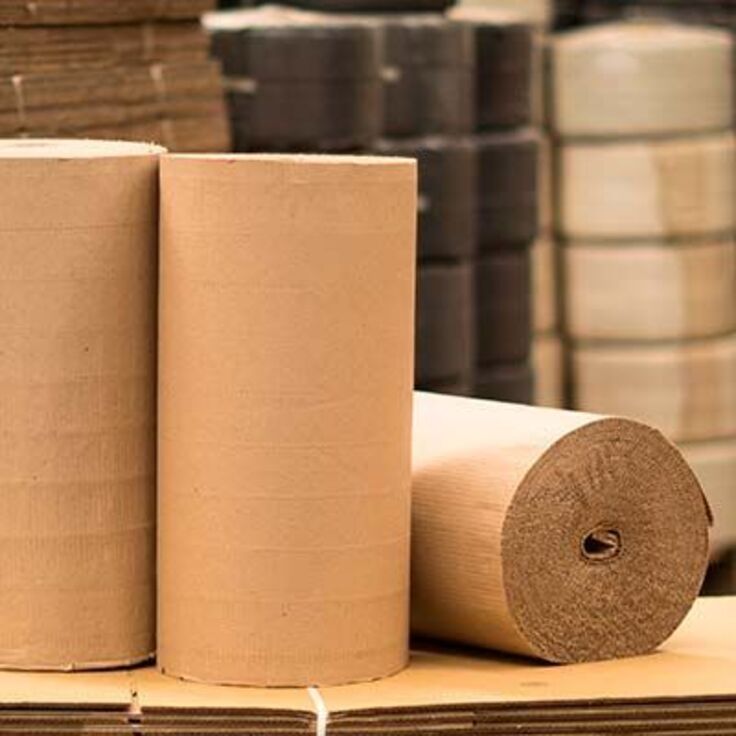
Paper packaging is a popular choice due to its eco-friendly nature and versatility. It includes items like paper bags, product labels, and tissue paper, offering sustainable, recyclable, and customizable solutions for various industries.
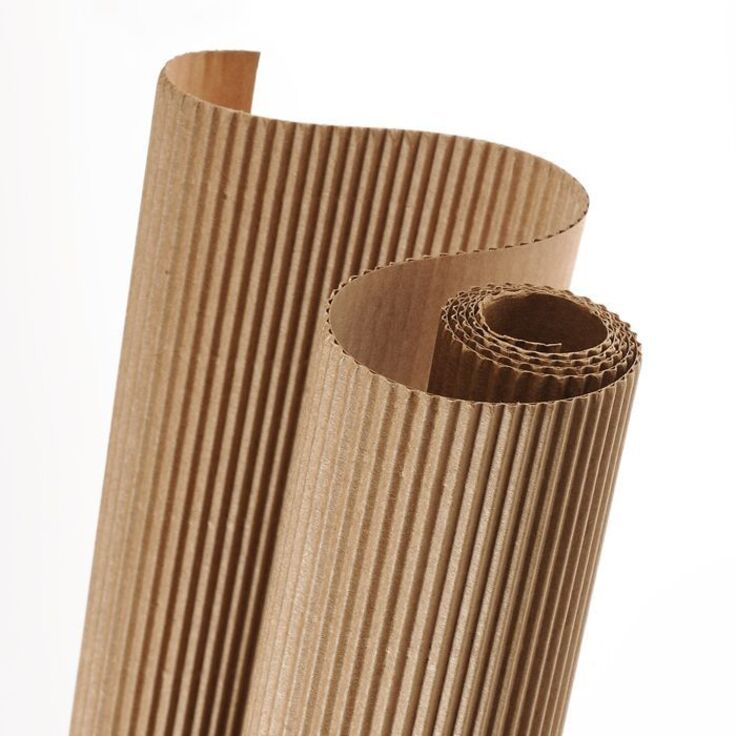
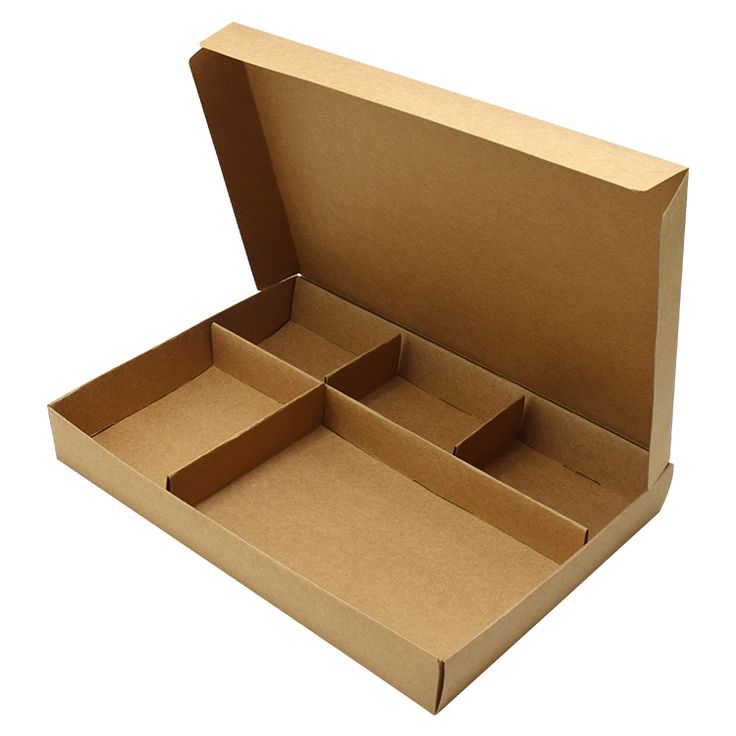
Paperboard, thicker and sturdier than regular paper, is commonly used for packaging products like cereal, crackers, and TV dinners. Its durability and ability to be easily printed make it ideal for product presentation.
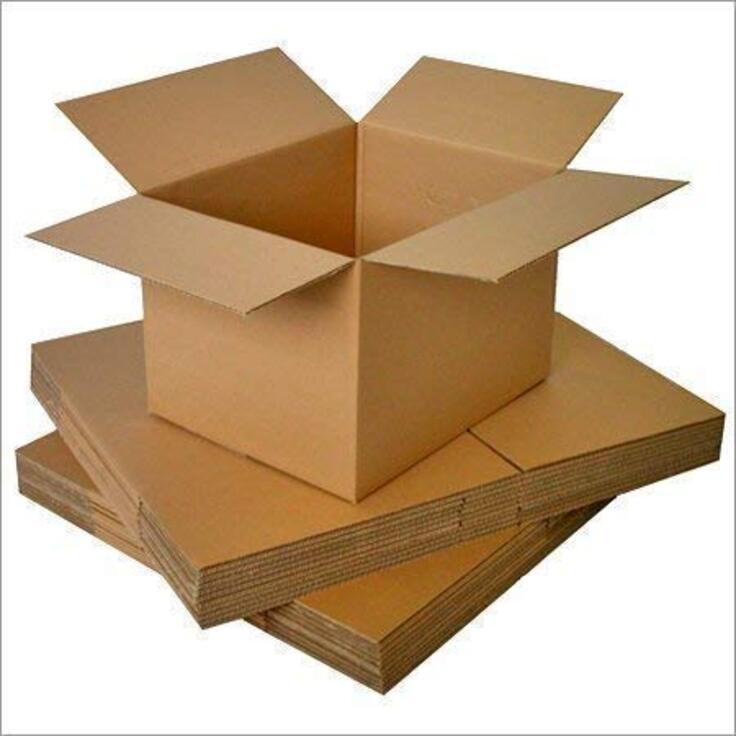
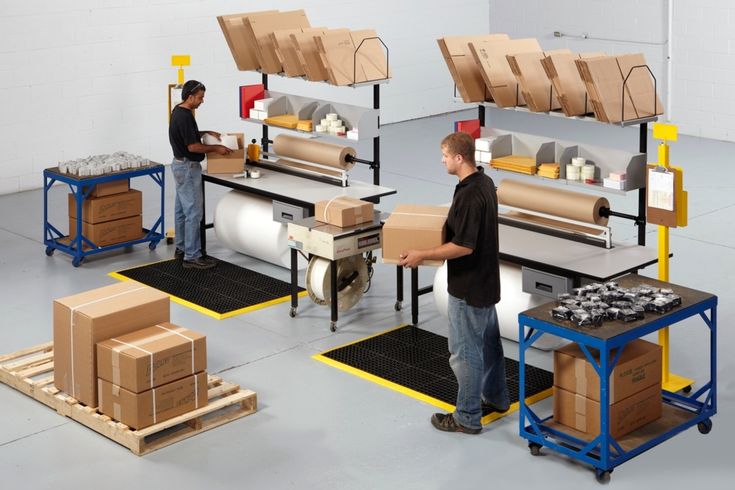
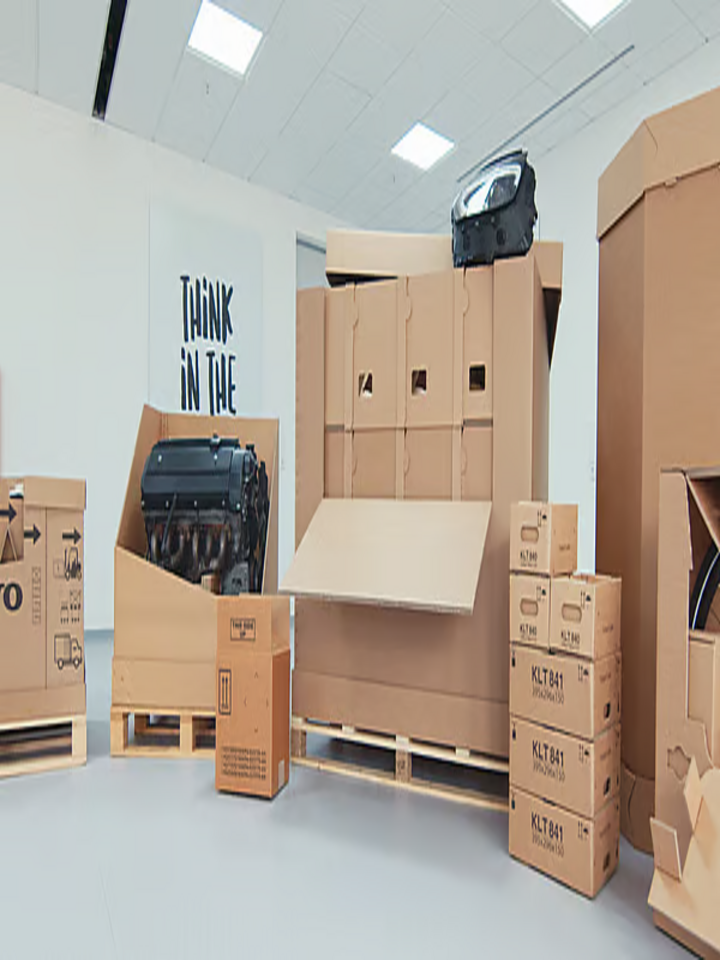
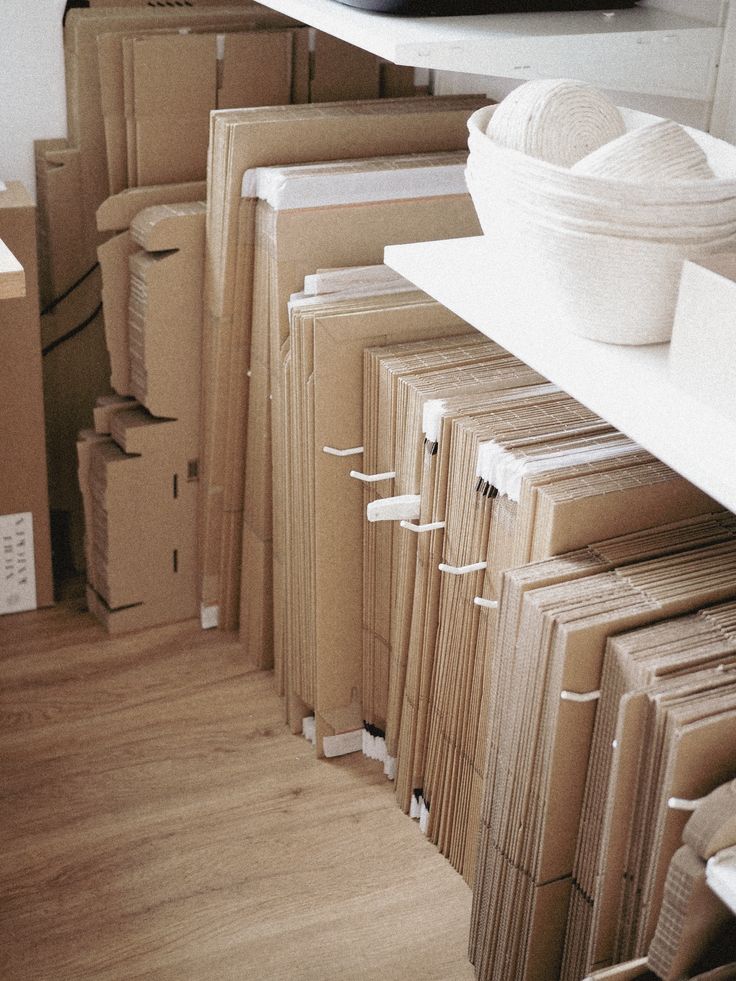
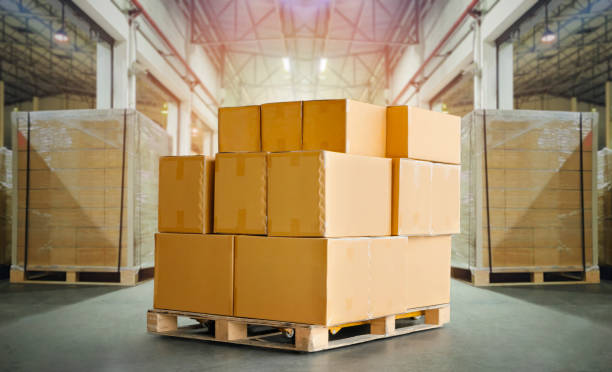
Cardboard, a secondary packaging material, is widely used to ship products to consumers and retailers. Its strength, lightweight nature, and cost-effectiveness make it ideal for protecting items during transportation and handling.
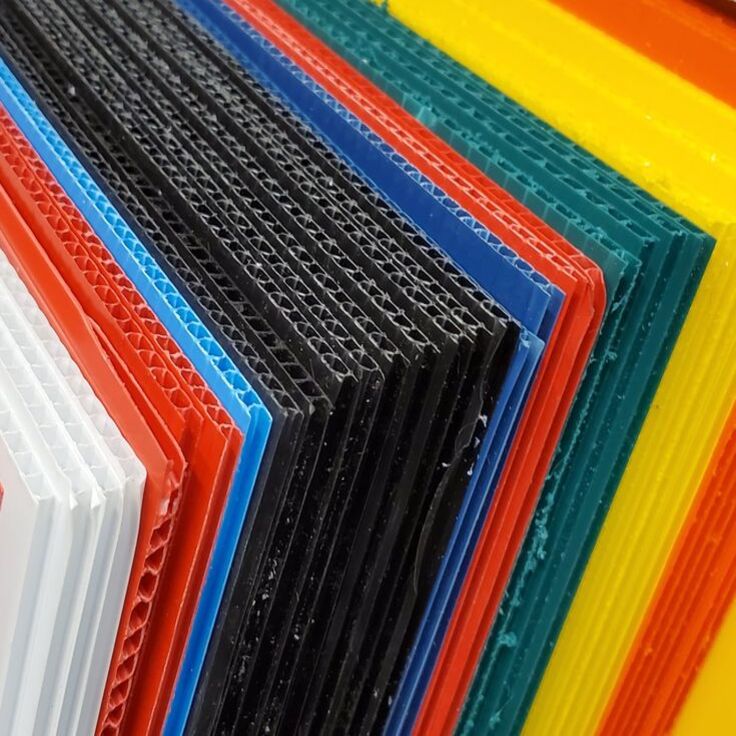
Rigid plastic packaging, made from materials like PET or HDPE, is commonly used for products such as water bottles, soda bottles, and shampoo containers. It offers durability, protection, and convenience for consumer goods.
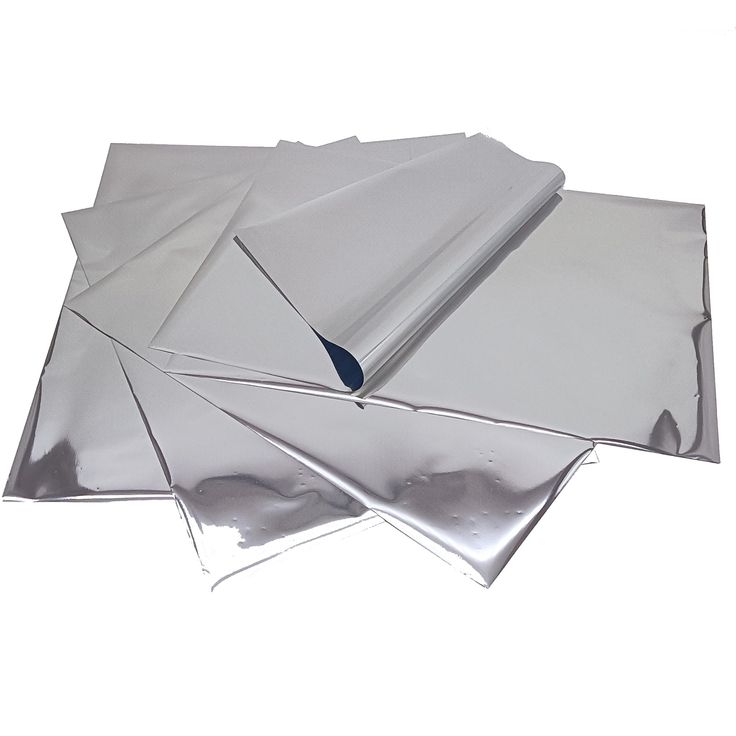
Metal packaging, made from aluminum and steel, effectively preserves product freshness. It is commonly used for cans, foils, and other containers, offering durability, protection from contaminants, and long shelf life for various products.
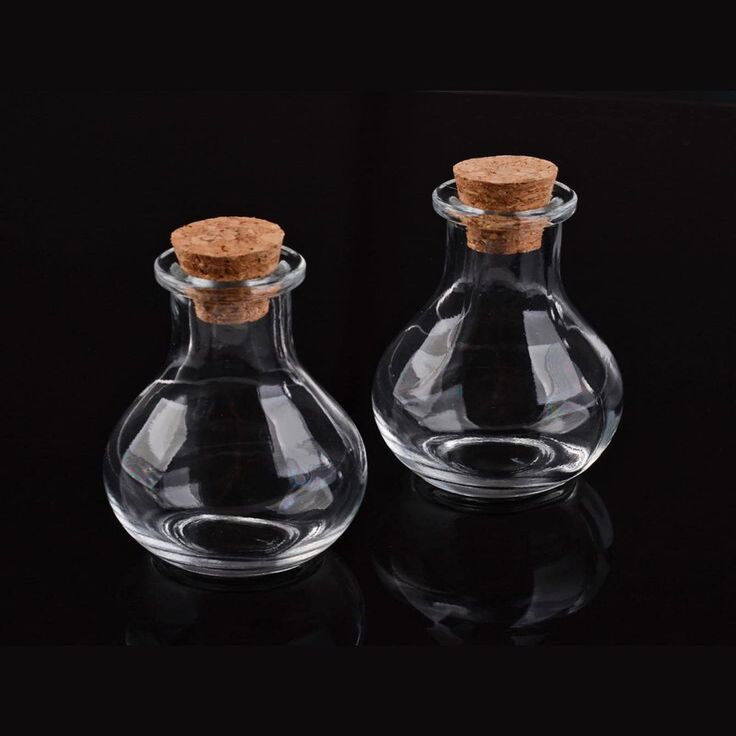
Glass is a nonporous, nontoxic material that is infinitely recyclable. It serves as an excellent barrier, preserving the flavor and quality of foods and drinks while offering durability and sustainability in packaging.
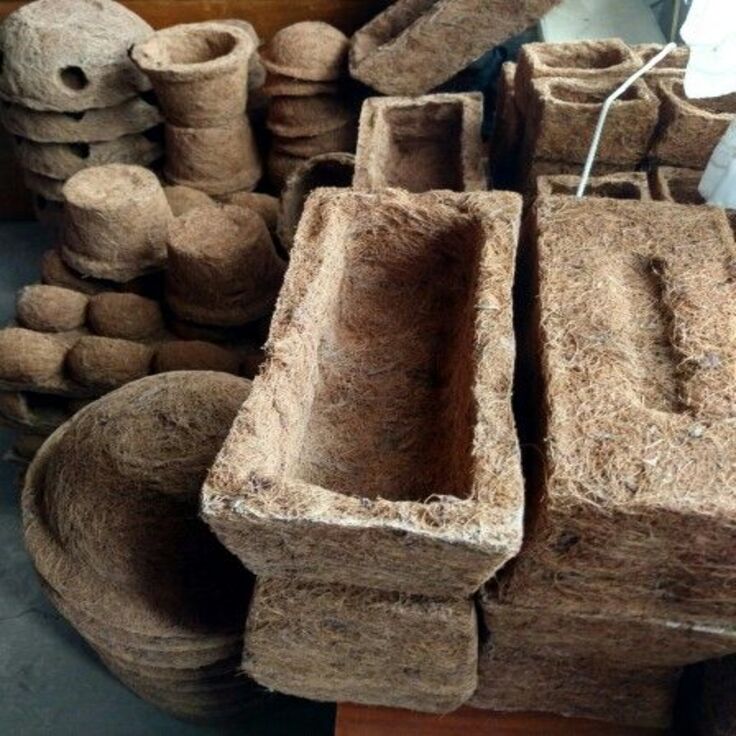
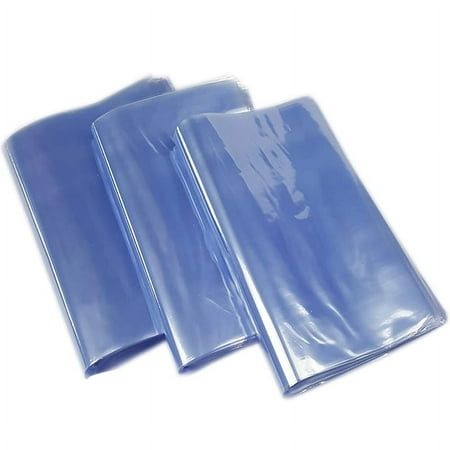
Cellulose is a plant-based, completely biodegradable material used to create cellophane sheets and shrink wrap. Its eco-friendly nature makes it a sustainable packaging option, offering both flexibility and environmental benefits.
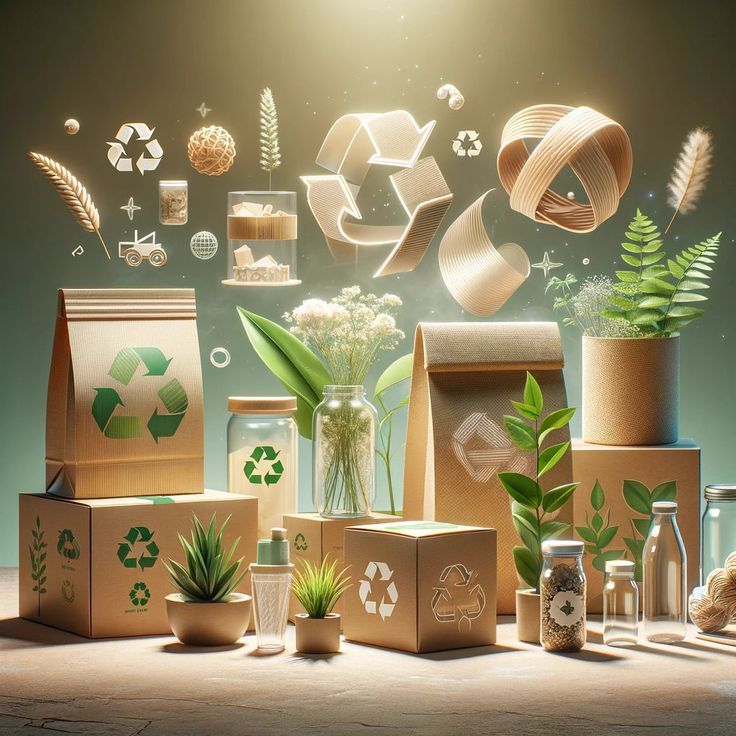
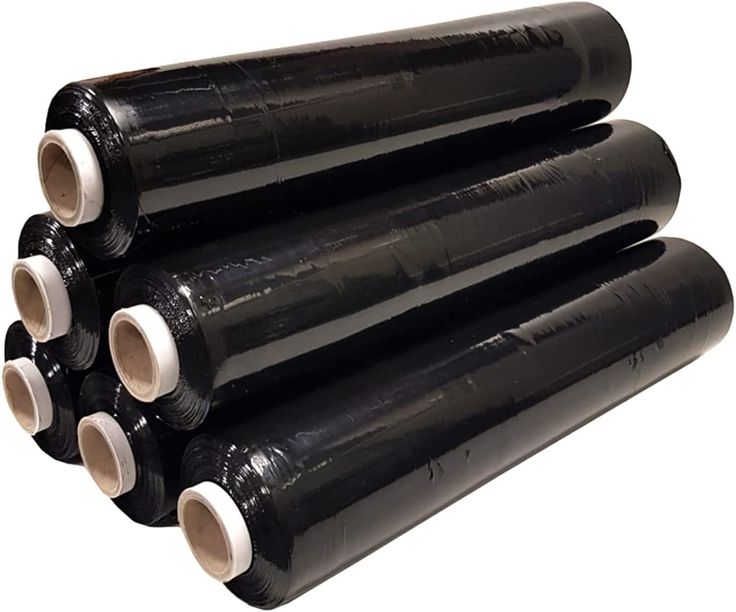
An environmentally friendly packaging option made of recycled plastics helps reduce waste, conserve natural resources, and minimize carbon emissions. It promotes sustainability by repurposing materials, contributing to a circular economy and eco-conscious practices.
 PACKING